WHY THIKA DESERVES TO BE KENYA’S NEXT CITY
By Maroa Enock (PCO)
6th April, 2026
Nestled at the confluence of the Thika and Chania rivers, Thika Town stands as one of Kenya’s fastest-growing urban industrial centres, a town whose rich history, strategic geography, and economic dynamism make it ripe for elevation to city status.
Located approximately 40 kilometers northeast of Nairobi, Thika serves as a vital gateway between the capital and the greater Mount Kenya region, strategically positioned as an industrial and commercial powerhouse within Kiambu County.
The name Thika is derived from the Kikuyu word “Guthika,” meaning “to bury” or “to plant,” believed to have originated from early settlement activities along the riverbanks.
Historically, Thika began as a small sub-location within the expansive Kiambu District during the colonial era. Its growth through the decade mirrors Kenya’s broader journey of urbanization, evolving from a location to a division, later becoming a district headquarters, and ultimately attaining municipal status. This transformation was driven by its fertile agricultural hinterland, steady population growth, and proximity to Nairobi, which made Thika an ideal destination for trade, education, and industry.
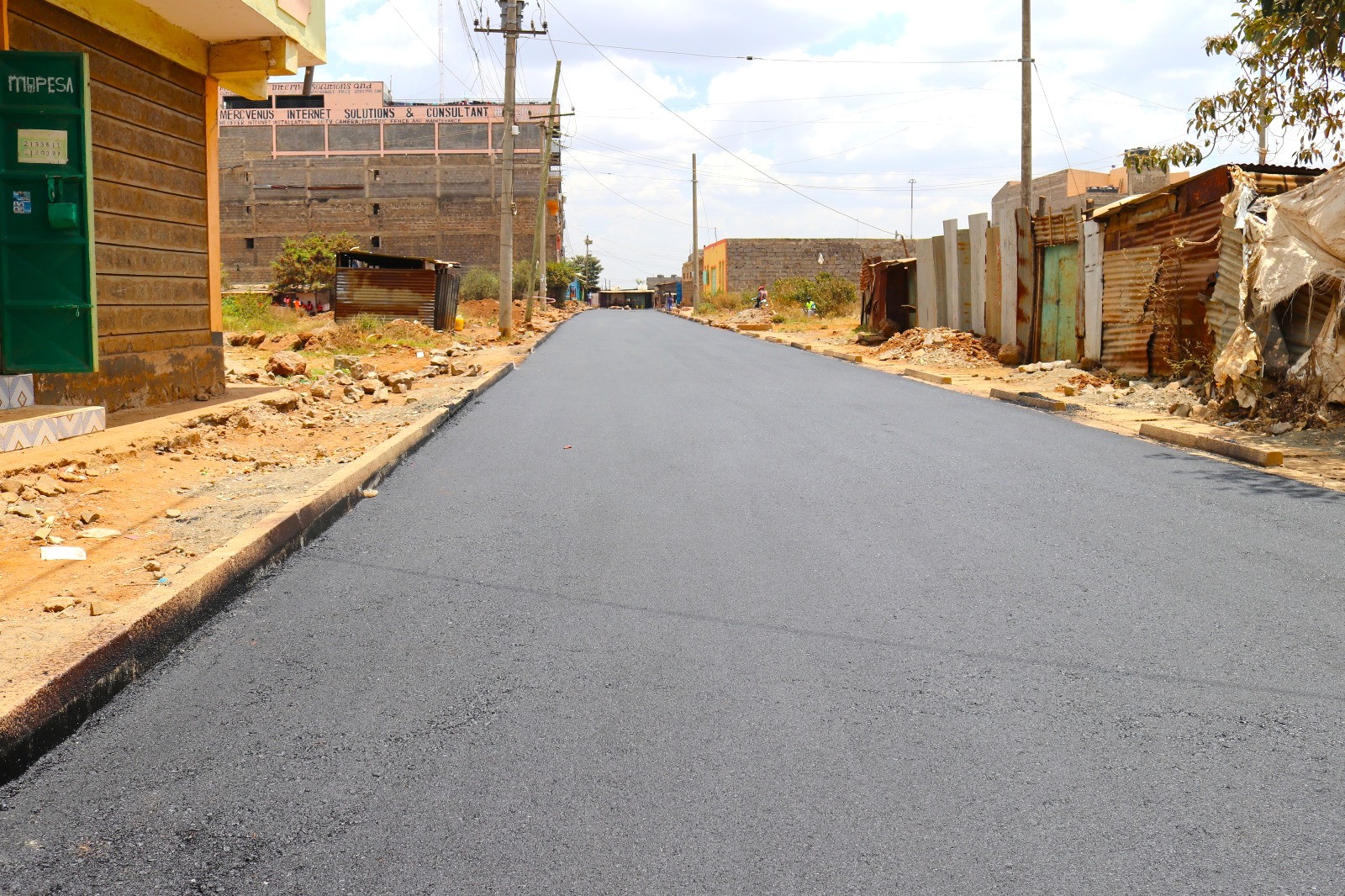 The tarmacked roads at the Kiangombe informal settlement
Recent improvements in Thika’s informal settlements have significantly transformed the town’s periphery, marking a major step toward sustainable and inclusive urban growth. The tarmacking of roads in Kiang’ombe and the cabro paving in Umoja have enhanced mobility and accessibility, while the installation of streetlights and modern drainage systems has reduced flooding and illuminated previously under-served areas, improving safety and comfort for residents.
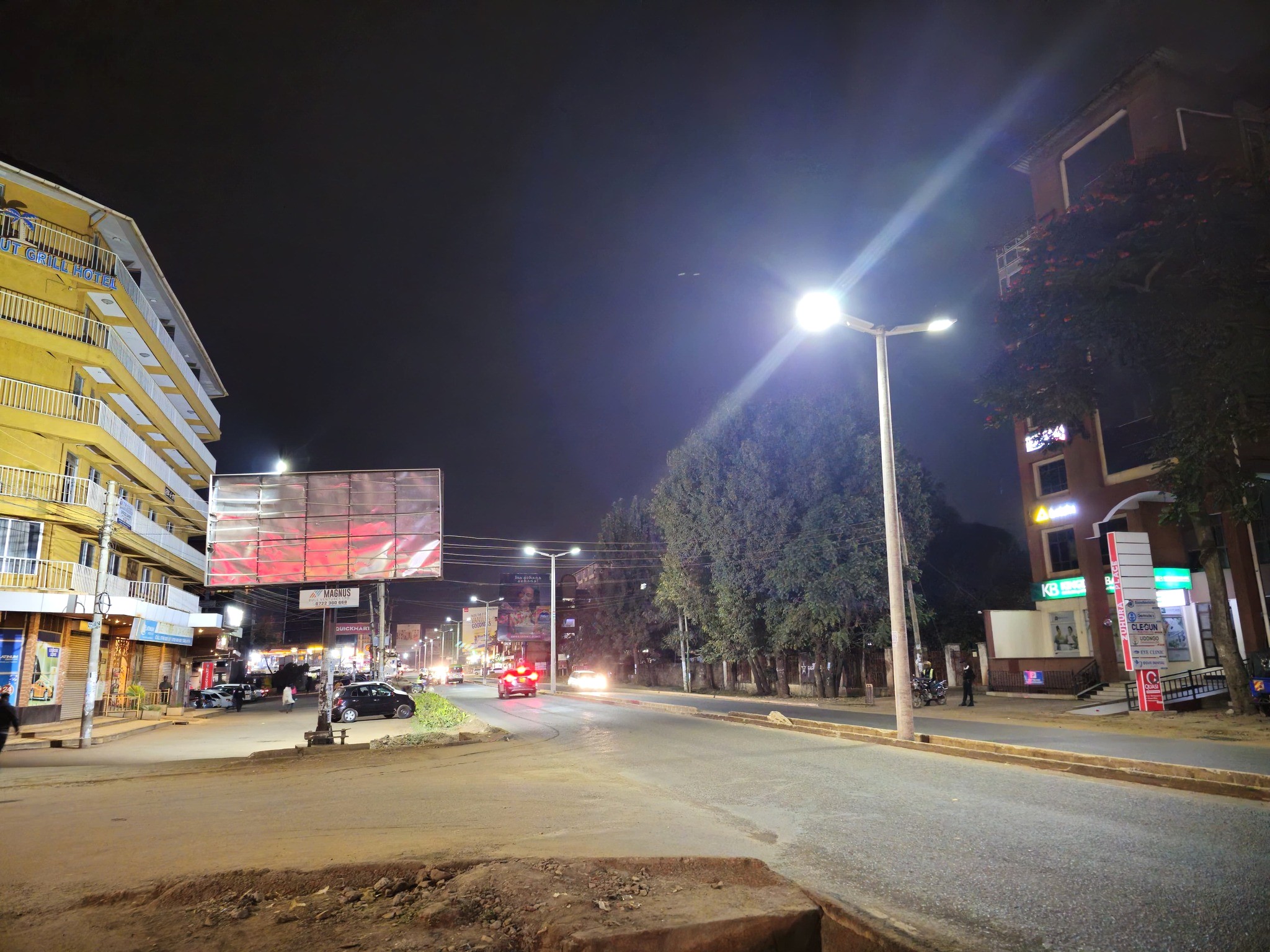 Solar streetlighting in Thika town
The opening up of Kiandutu, one of Kenya’s largest informal settlements, stands out as a historic milestone. Following comprehensive surveying and mapping, residents are set to receive title deeds, securing land ownership and unlocking opportunities for improved housing, small-scale enterprise, and enhanced livelihoods.
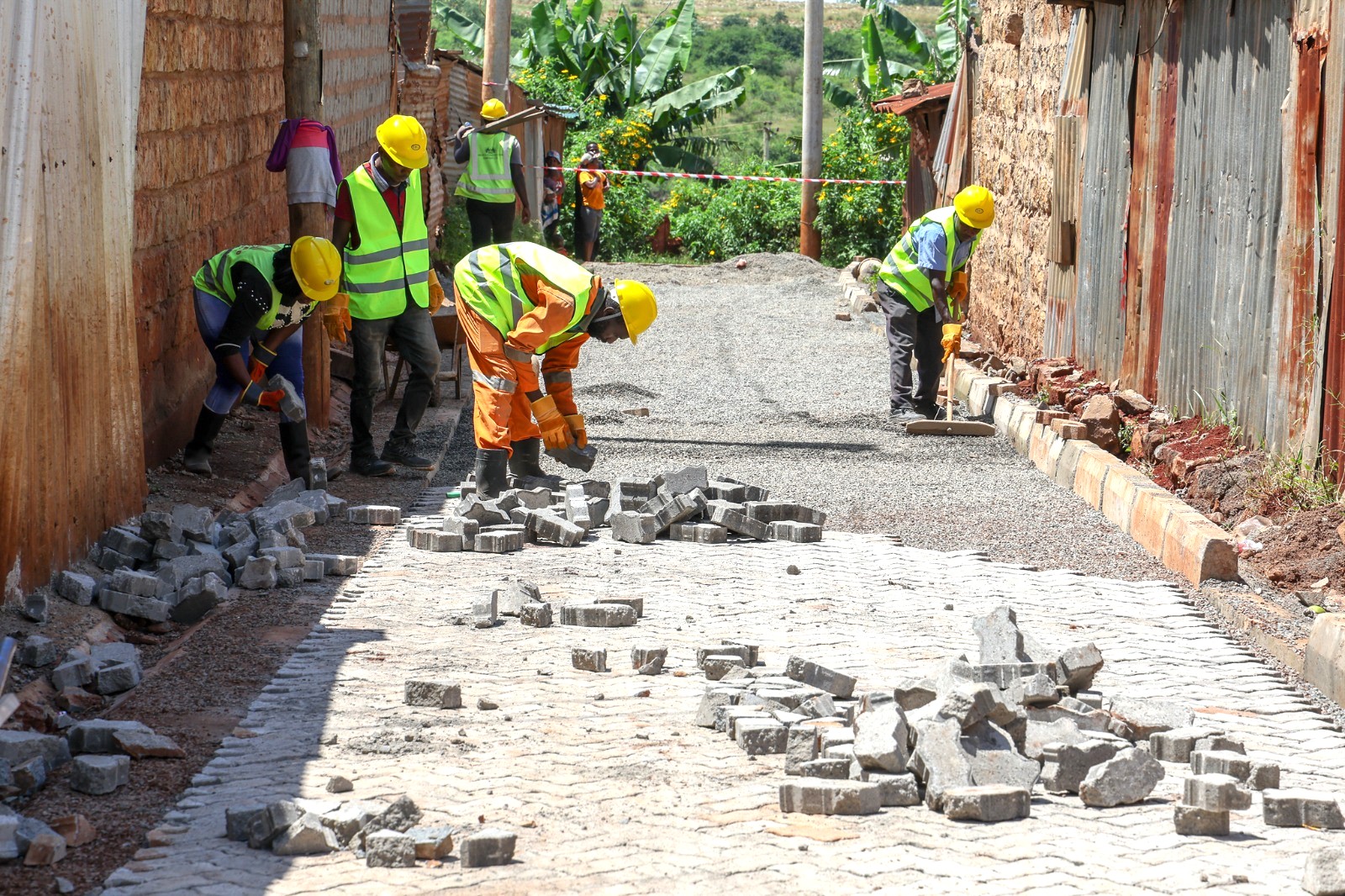 Installation of cabro paving at the Umoja Informal Settlement in Thika
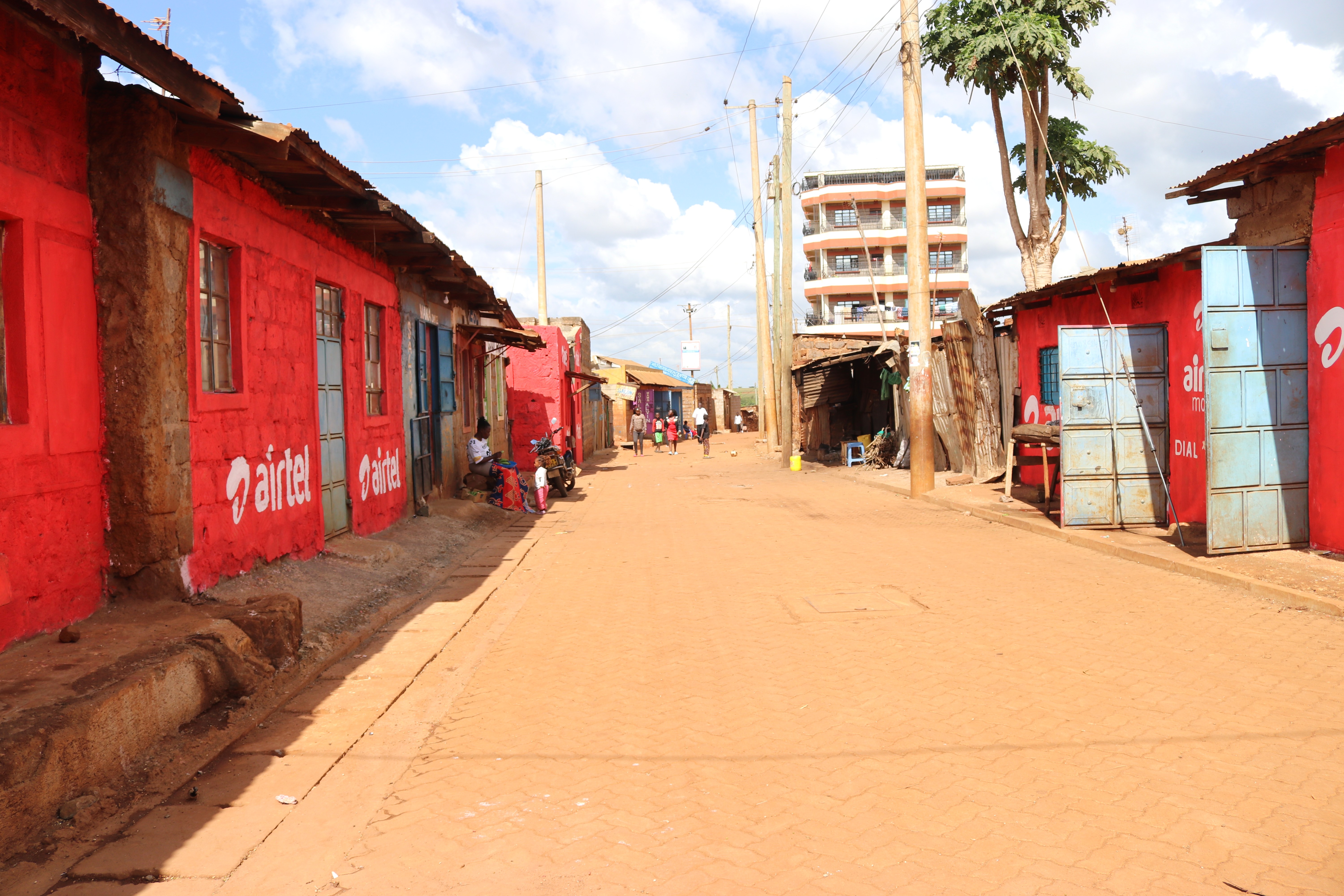 The cabro paved roads at the Umoja Informal Settlement in Thika
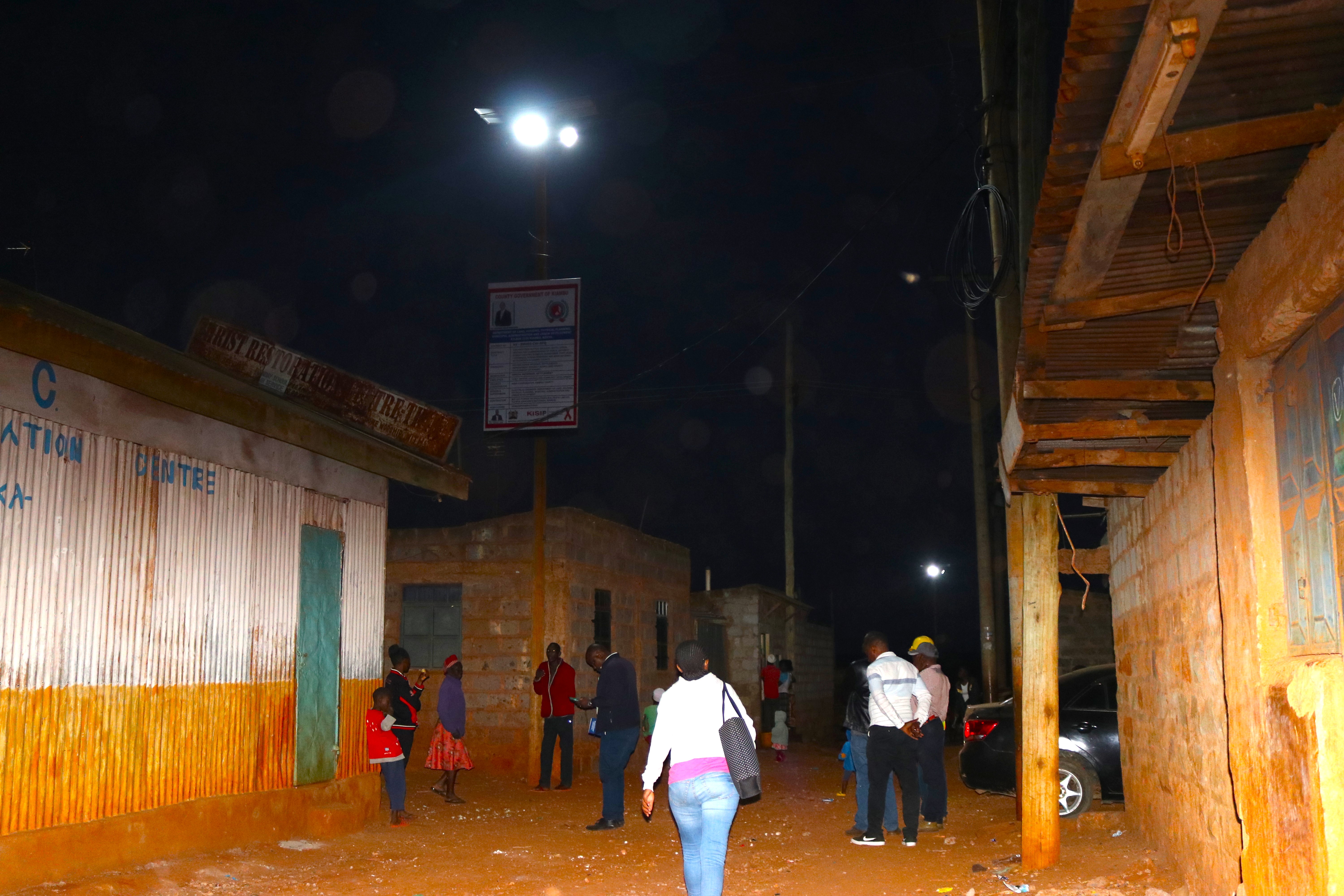
Driven by the County Government of Kiambu under the Second Kenya Informal Settlements Improvement Project (KISIP II), this transformative initiative is redefining Thika’s urban landscape. It is poised to spur growth in the town’s peripheries, attract new investment, and promote orderly and sustainable expansion.
Thika’s economy is a microcosm of Kenya’s industrial growth. The town is home to some of the country’s oldest and most vibrant manufacturing industries, ranging from textile production and food processing to motor vehicle assembly, as well as paint, soap, and steel manufacturing. Landmark industries such as Bidco Africa, Broadways Bakery, Mount Kenya Wholesalers, Kenya Vehicle Manufacturers, Kevian Kenya, and Premier Foods continue to drive the town’s economic engine.
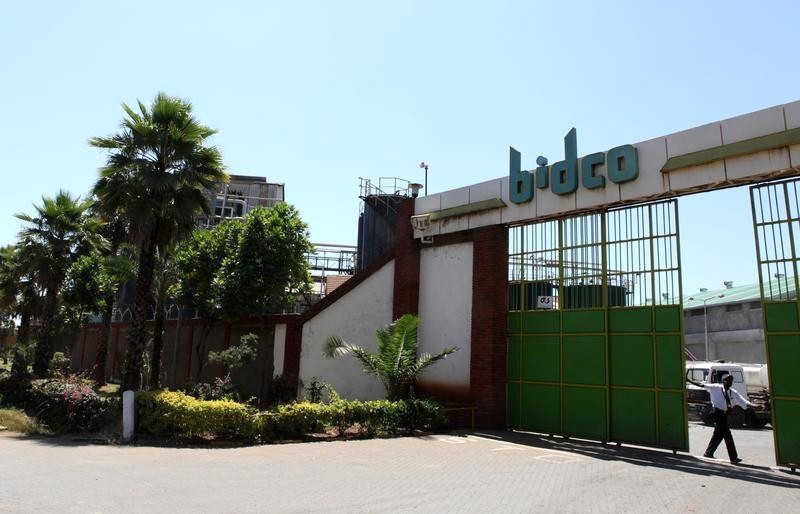
The presence of agro-processing plants, tanneries, and slaughterhouses further strengthens the region’s industrial ecosystem, providing ready markets for farm produce. Thika’s hide and skin industries, alongside animal feed processing plants, add diversity to its manufacturing base. This vibrant industrial mix has translated into thousands of jobs for residents while stimulating small and medium enterprises (SMEs) that supply raw materials and distribute finished products across the country.
Healthcare development is further strengthening Thika’s urban profile. Thika Level 5 Hospital has expanded significantly in capacity and service delivery, steadily positioning itself as a regional referral facility. The hospital now attracts patients from across Kiambu County and beyond, offering critical services in maternal health, surgery, cancer care, diagnostics, and emergency care. The hospital hosts the biggest dental unit in Kiambu.
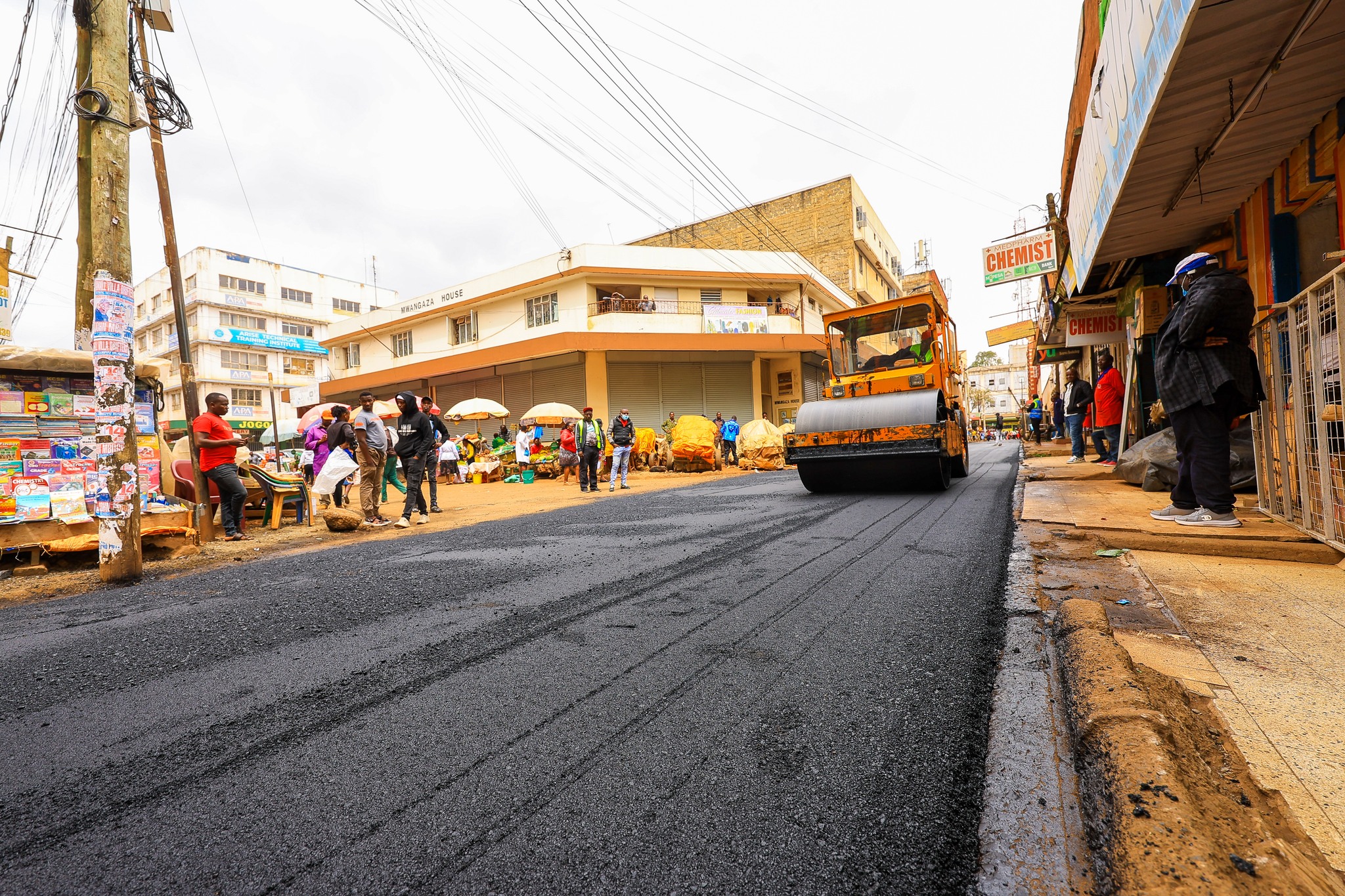 Rehabilitation of Roads in Thika town
Environmental sustainability is also taking center stage. The modernization of the Kang’oki dumpsite through the adoption of Modern technology marks a significant step toward efficient and eco-friendly waste management. This approach enhances waste decomposition, minimizes environmental pollution, and aligns with global best practices in urban sanitation.
Thika’s transport network is among the most developed outside Nairobi. The town is served by major trunk roads, including the Thika Superhighway, which links it to Nairobi and central Kenya. A network of feeder and connector roads efficiently links industrial zones, residential estates, and surrounding rural areas, enhancing the flow of goods and services.
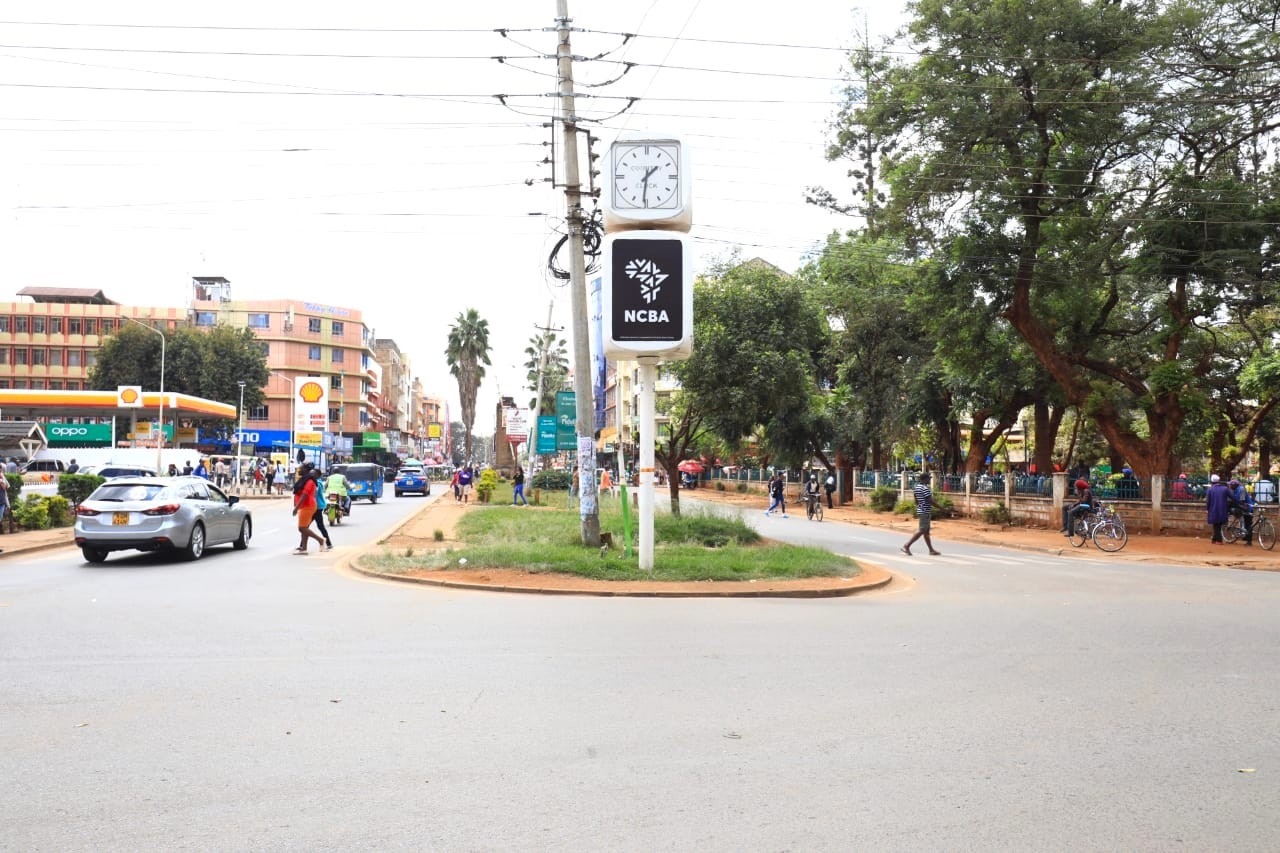 Thika town clock and roads
The Kenya Railways line also passes through Thika, offering cargo and passenger connectivity to Nairobi and beyond, a critical asset for future industrial logistics. In terms of air connectivity, Thika’s proximity to both Jomo Kenyatta International Airport (JKIA) and Wilson Airport makes it highly attractive to investors seeking convenient regional and international access. To further enhance air transport, Kiambu County has set aside former Del Monte land for the construction of an airstrip. Plans are at an advanced stage, and this development is expected to significantly boost investment and economic growth.
The upcoming industrial park and export processing zones are set to benefit greatly from this well-developed infrastructure. Thika is increasingly positioning itself as a regional business hub, with ongoing plans to develop industrial parks, aggregation centres, and special economic zones aimed at promoting value addition and exports.
Small-scale manufacturing and food processing industries, including flour milling, edible oils, and dairy production, continue to thrive, cementing Thika’s status as one of Kenya’s leading industrial towns. These enterprises not only stimulate economic growth but also enhance job creation and foster innovation within the manufacturing sector.
Beyond industry, Thika has evolved into a knowledge city, home to renowned educational institutions such as Mount Kenya University, Gretsa University, Thika Technical Training Institute, Umma University and numerous professional colleges and secondary schools. These institutions have spurred intellectual growth and supported the development of a skilled labour force. As one drives to Thika, Zetech University and Jomo Kenyatta University of Agriculture and Technology (JKUAT) are also in close proximity to the town.
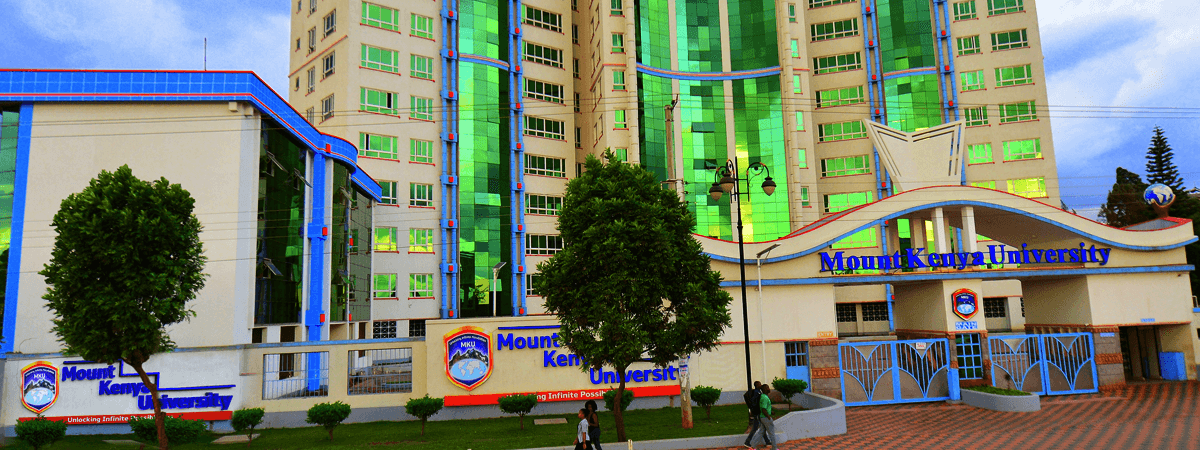 The Mount Kenya University in Thika
Thika’s natural beauty and historical landmarks make it an emerging tourism destination. Iconic sites such as Fourteen Falls, Chania Falls, and the Blue Post Hotel attract both local and international visitors. The town’s hospitality sector continues to expand, supported by modern hotels, cultural centres, and sporting facilities. Thika’s vibrant arts, crafts, and sports culture further enrich its identity, while planned recreational parks and urban green spaces will enhance its livability.
The town’s robust financial sector includes the presence of major commercial banks, microfinance institutions, and SACCOs, reflecting strong business activity and high liquidity flow. This financial vibrancy supports commerce, real estate development, and industrial expansion. Moreover, Thika boasts improved urban infrastructure and social amenities, from upgraded sewerage and drainage systems to enhanced water supply, electricity, and modern waste management services, ensuring a high quality of life for residents and investors alike.
With its strategic location, industrial diversity, educational excellence, and expanding infrastructure, Thika is ready to take the next step, achieving city status. The town’s evolution from a small colonial settlement into a modern urban powerhouse is a testament to decades of growth, resilience, and visionary leadership.
Thika today stands as a symbol of transformation, a thriving hub where industry meets innovation, and opportunity meets ambition, fully deserving its place among Kenya’s next-generation cities.
Following Senate approval of the realisation of Thika Industrial Smart City, and Presidential Assent, Thika will be the 1st city in the Mount Kenya Region and the 6th City in Kenya fulfilling one of Governor Kimani Wamatangi’s campaign manifesto promises to the people of Kiambu.
THE PROCESS OF THE REALISATION OF THIKA INDUSTRIAL SMART CITY IN A PHOTO GRID
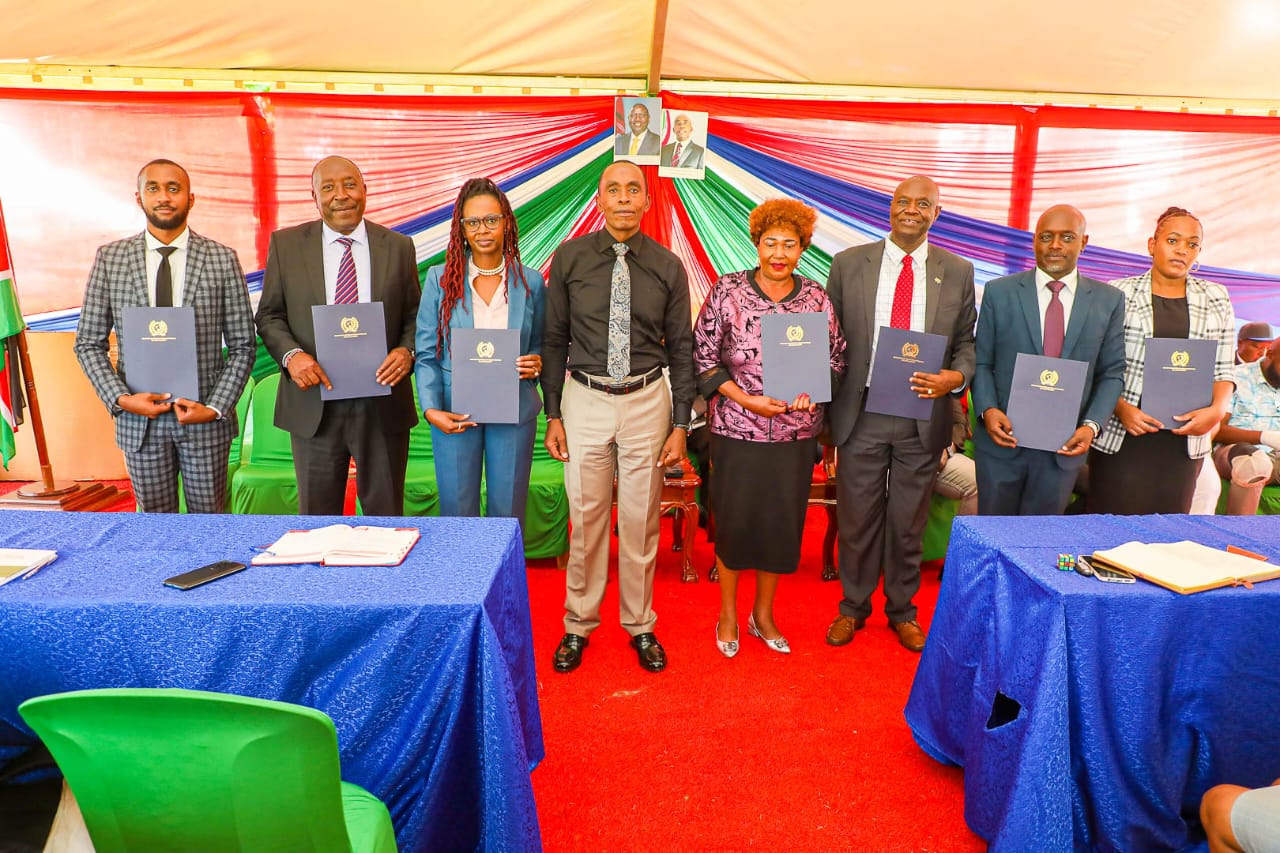 During the commissioning of an ad hoc and technical committee to oversee the transformation of Thika into an Industrial Smart City
 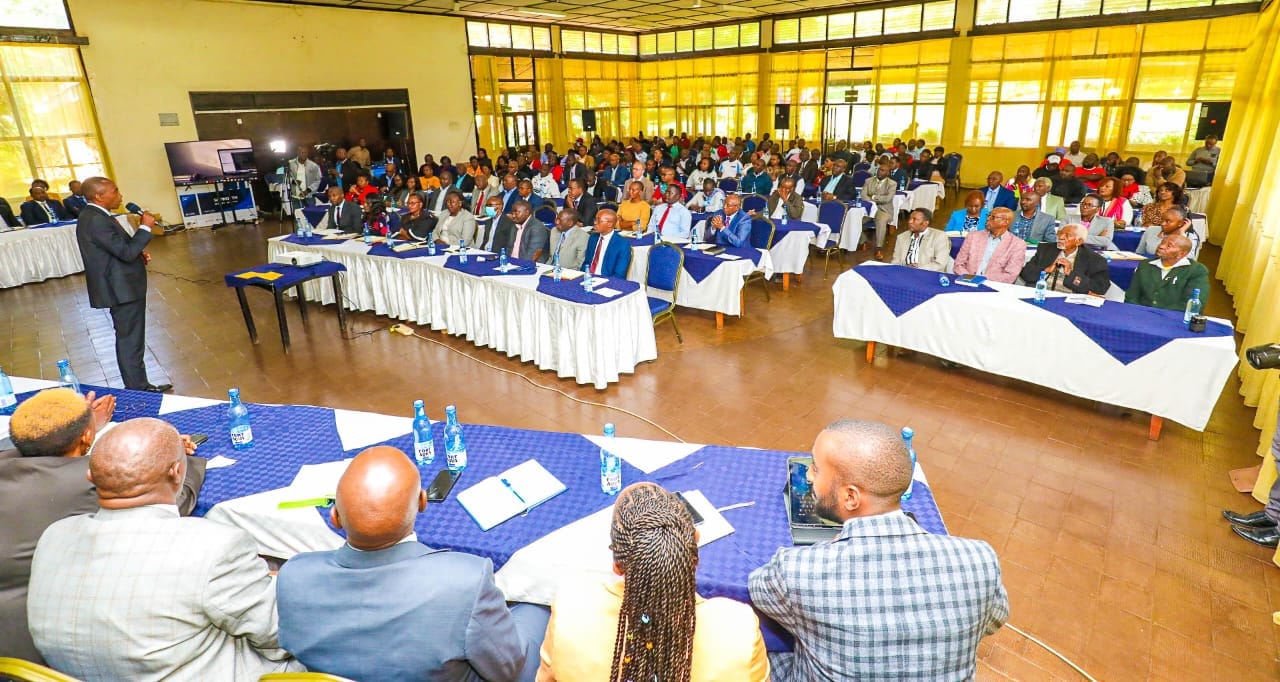 During the roundtable discussion with the business community and residents of Thika as we worked towards transitioning the town into an Industrial Smart City
 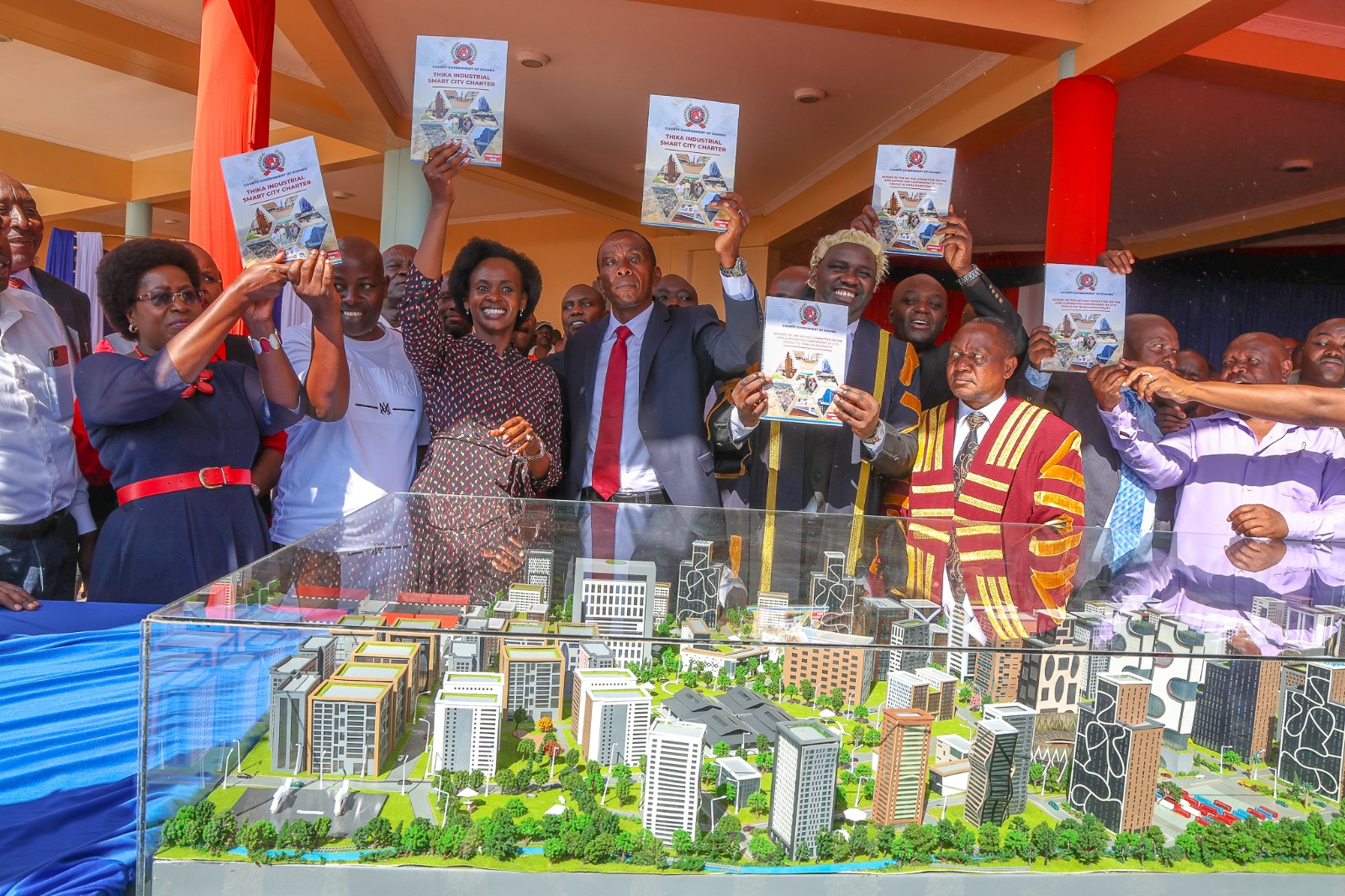 During the the handing over of the ad hoc committee’s report on the application for conferment of city status to Thika Municipality
 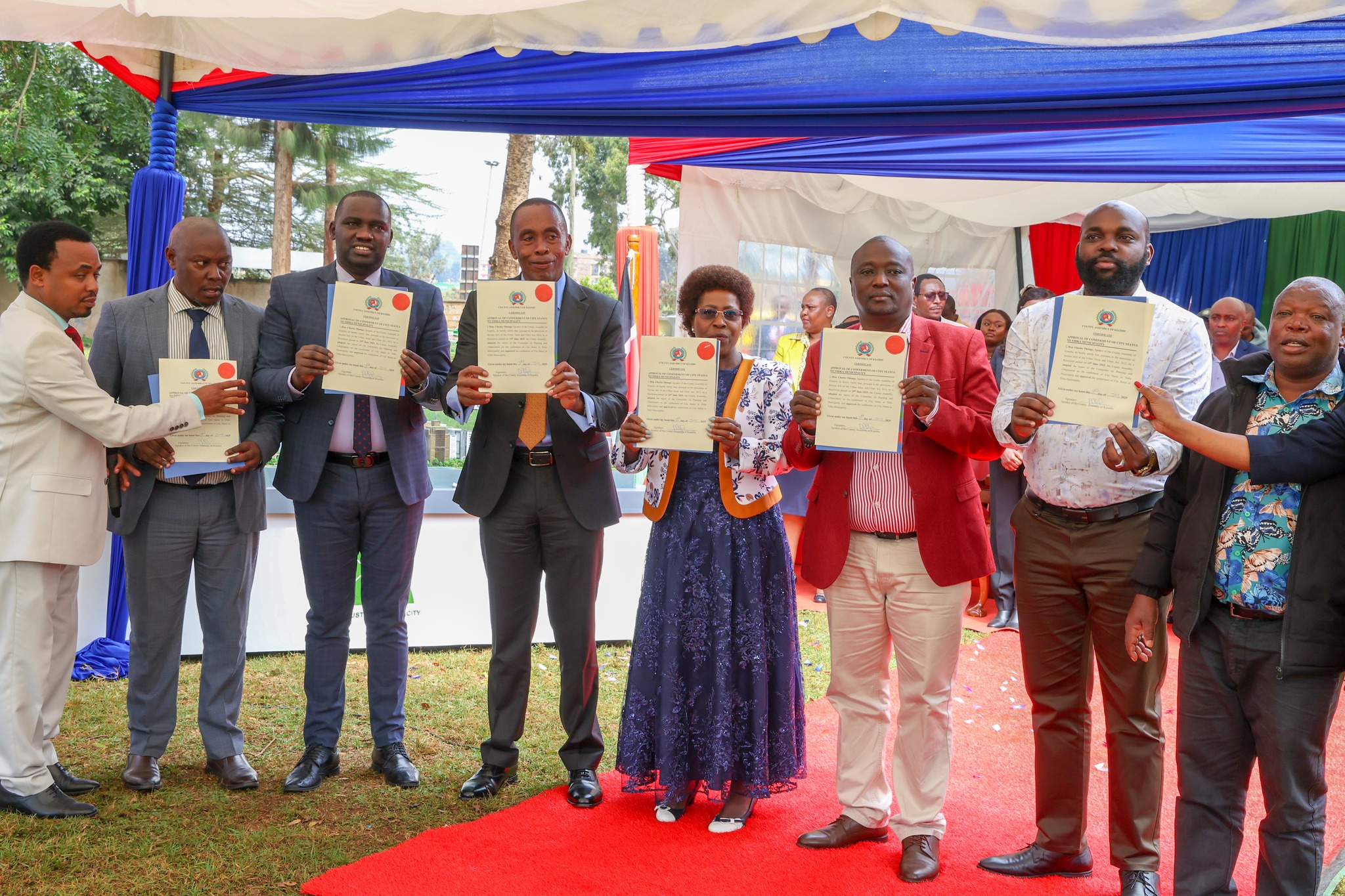 Receiving the Conferment Report of Thika to a City by the County Assembly, which was unanimously passed by the County Assembly
  At the Senate, when Speaker Amason Kingi committed the subject of Thika attaining City Status to the Standing Committee of Devolution and Intergovernmental Relations
 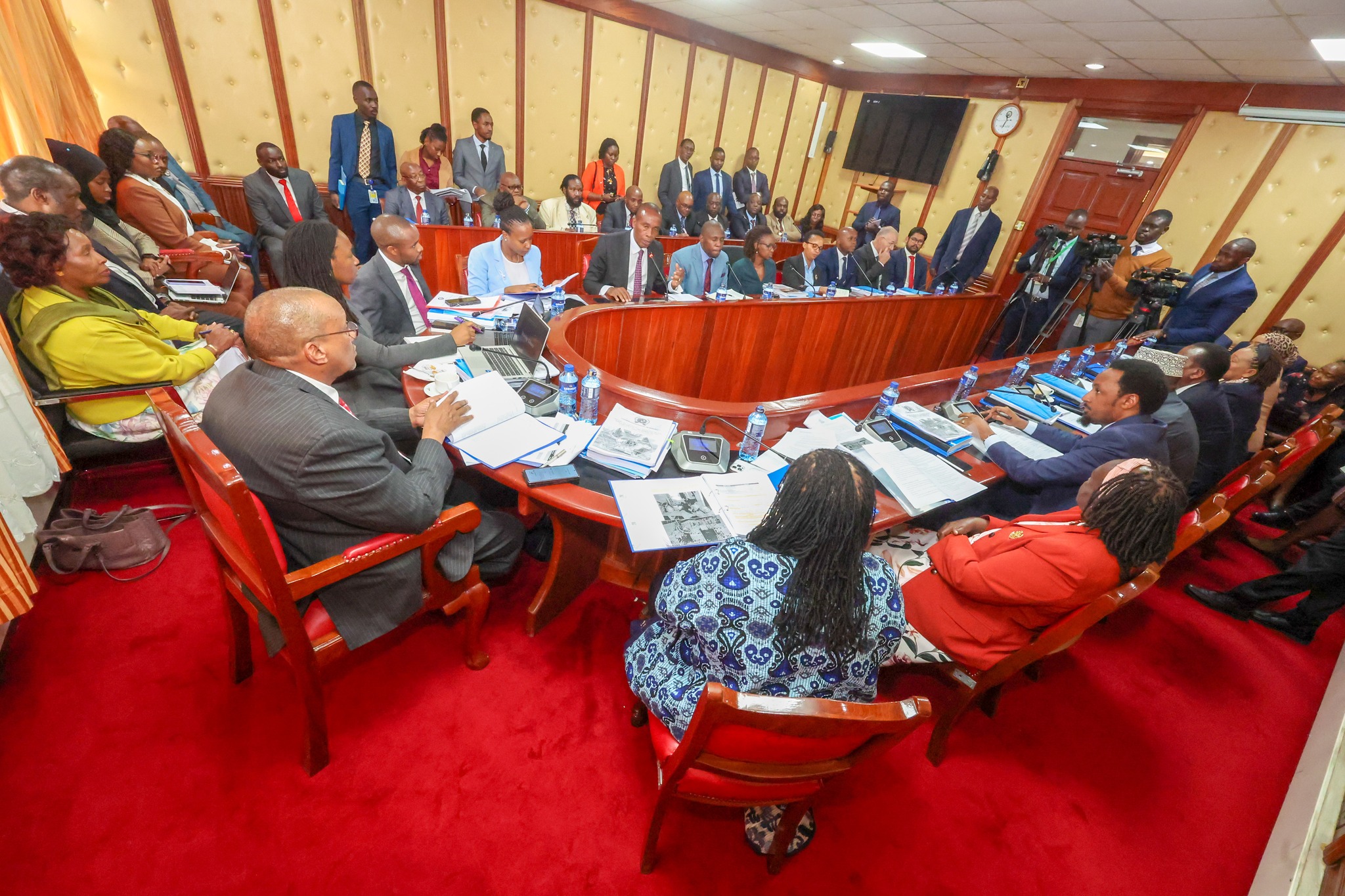 When Governor Kimani Wamatangi appeared before the Senate to inform the House on why Thika Municipality should be elevated to an Industrial Smart City
 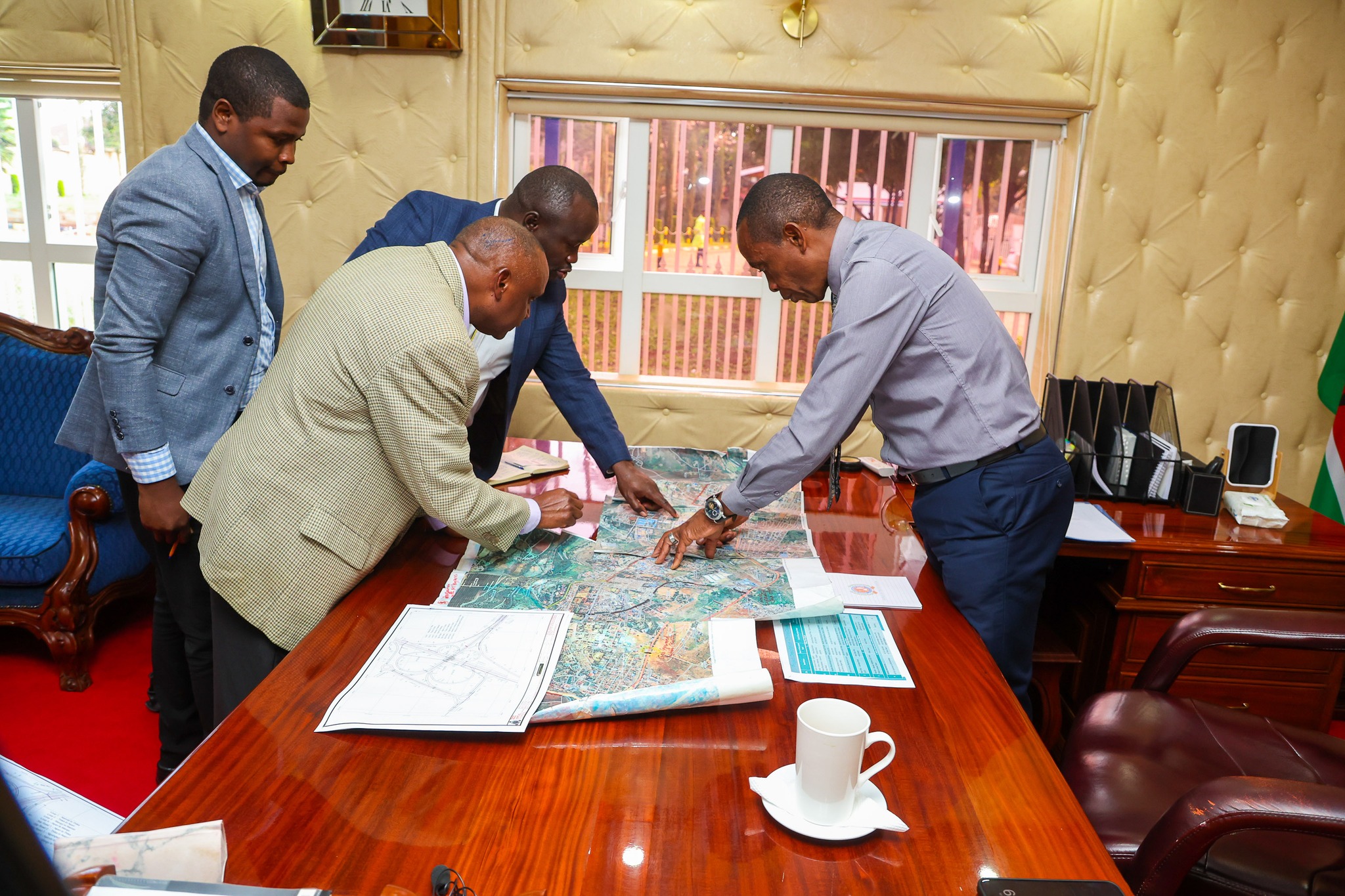 When we held a consultative meeting with a delegation from the Kenya National Highways Authority (Kenha) to discuss infrastructure improvements in Thika as we progress toward transforming the town into an Industrial Smart City at the Kiambu County HQ
 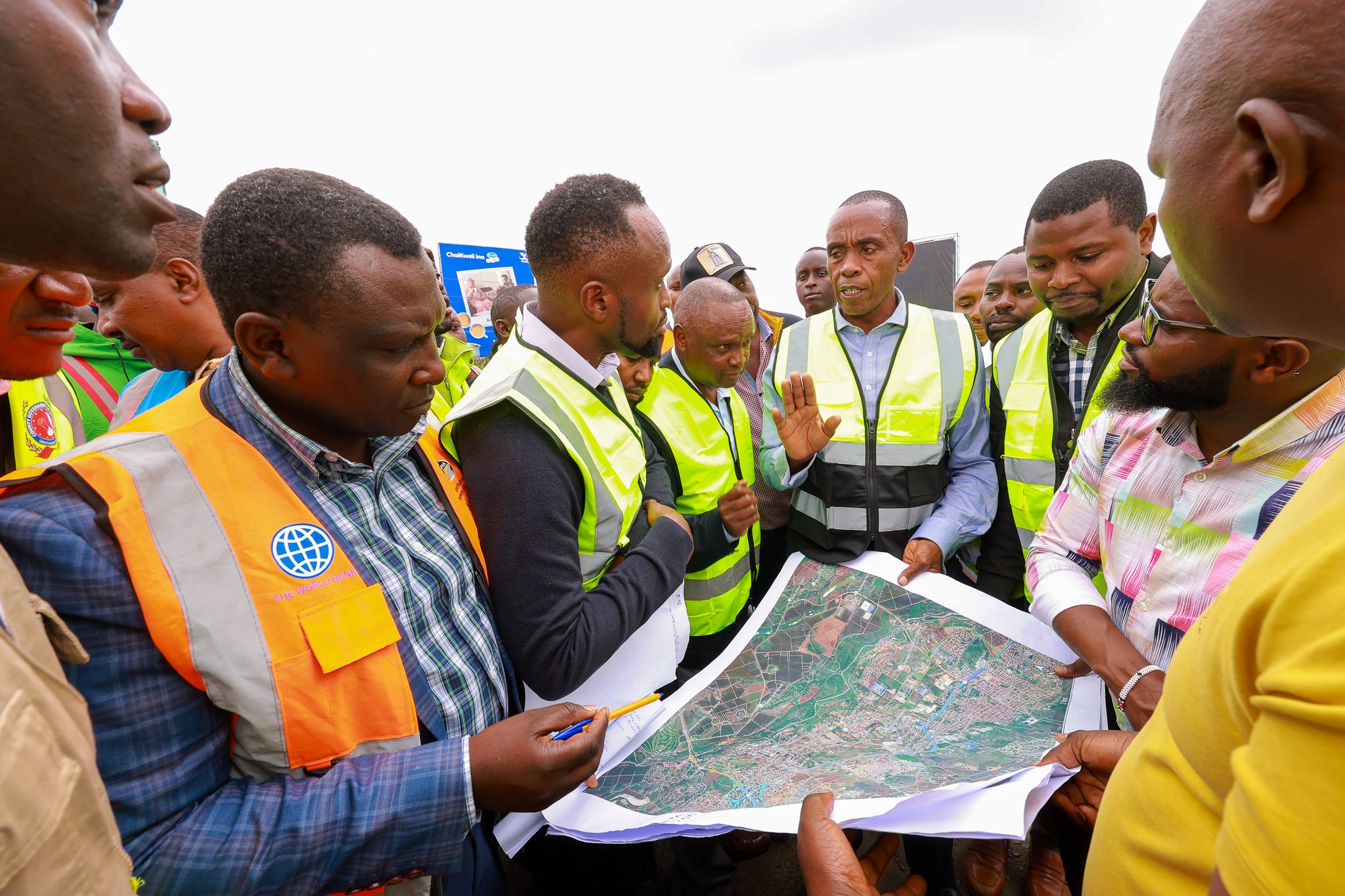 Together with KeNHA officials in Thika town